
THE BEAUTY OF BECOMING. In conversation with Carla Cascales Alimbau…
There is something deeply human in the moment before transformation — when something is no longer what it was, but has not yet revealed what it will become.
This space between vulnerability and strength, fragility and resilience, body and landscape is at the heart of Carla Cascales Alimbau’s work. Through sculpture, painting and organic materials, Carla explores the traces that time and experience leave behind, allowing imperfection, movement and transformation to become part of the work itself.
Her relationship with nature is equally intuitive. The Mediterranean, the body, the sea, the textures of the earth — all become part of an ongoing conversation about what it means to be human, to create, and to remain open to change.
At KM by LANGE, we recognise something deeply familiar in this way of seeing. We believe in clothing as something that lives with the body rather than simply dressing it; in materials that carry their own character; and in beauty that does not need to be perfect to be powerful.
We met Carla to talk about vulnerability, nature, femininity, materials, intuition and the quiet discipline behind a creative life — and about the space between who we are and who we are still becoming.
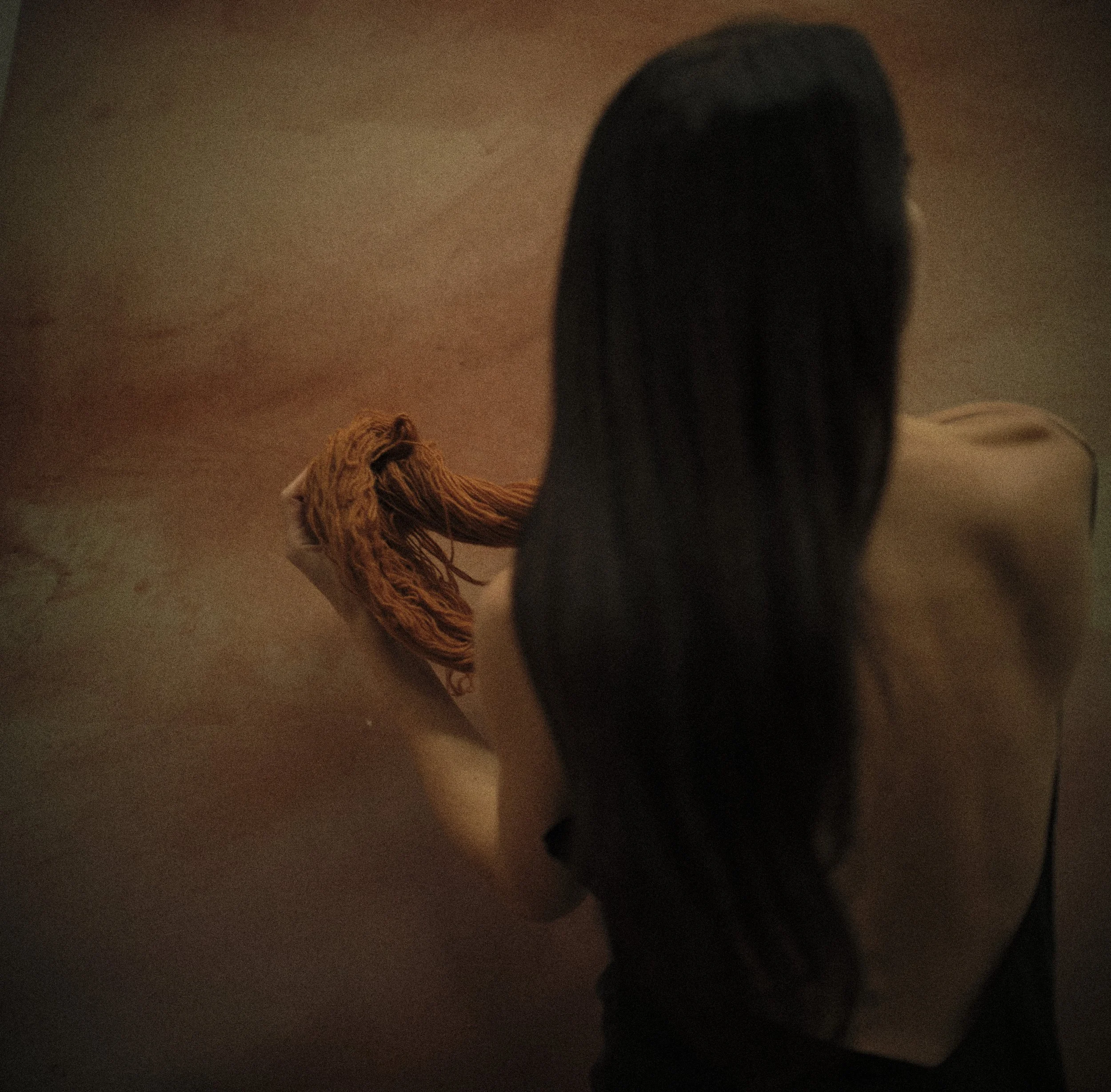
Your shared Anaïs Nin quote next to one of your pieces speaks about the pain of remaining closed and the resistance to opening up. How would you describe your art’s relationship to the concept of being vulnerable and uncomfortable, such as in your Skin collection?
For me, vulnerability is one of the few ways we can truly experience the world with authenticity. It requires us to reveal our genuine selves, to open our hearts despite the uncertainty that comes with it. I believe it is through vulnerability that we are able to connect deeply with other people, with our surroundings, and with our own experiences.
In that sense, my work is a celebration of vulnerability. I am interested in what happens when we allow ourselves to be seen as we are, without hiding our wounds, scars, or imperfections. Society often associates strength with control or invulnerability, but I have always been drawn to a different kind of strength: the one that exists in tenderness, honesty, and openness.
In the Skin collection, I explore the traces that time, experience, and transformation leave on both the body and the landscape.
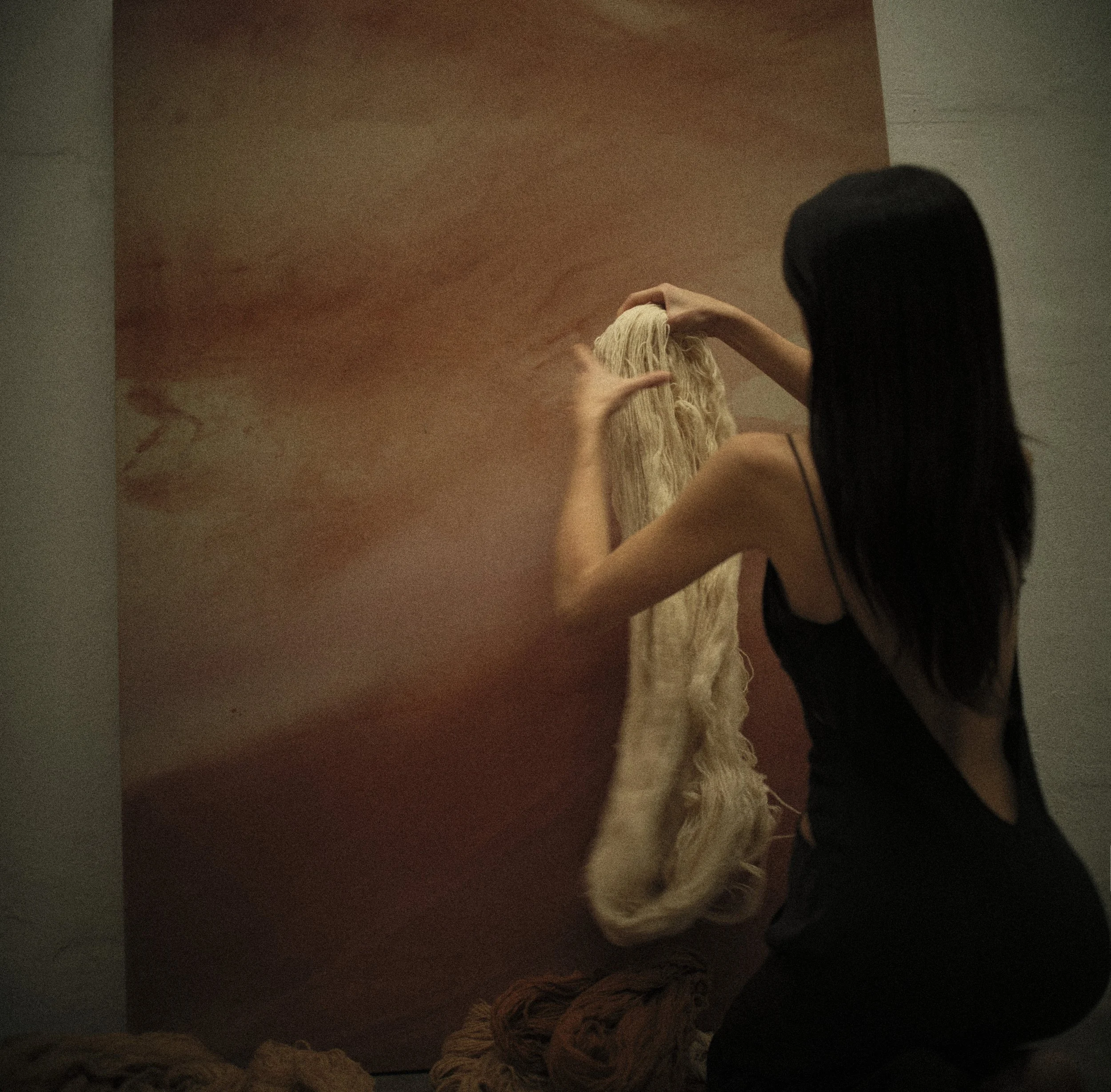
In many of your photographs, you place yourself within the work, not always as the central focus, but as an extension of the piece itself. How do you view your own presence in relation to your art?
I have always understood art as a language. It is not something separate from me; it is part of who I am, how I communicate, how I make sense of the world, and how I relate to it. Creating is not simply something I do, it is a way of being.
Because of that, I have never seen a clear boundary between myself and my work. The pieces emerge from my experiences, emotions, questions, and observations, so in many ways they become an extension of my inner world. At the same time, I feel that I also belong to the work. The relationship is reciprocal.
This is why I am sometimes present in my photographs, not as the central subject, but in a more subtle way. I am interested in inhabiting the work rather than dominating it. My presence becomes another element within the composition, a gesture that reinforces the dialogue between the body, the landscape, the material, and the idea behind the piece. Sea lo que sea, la manera en la que cuentes tu historia en línea puede marcar la diferencia.
One of your collections, titled Raku, a Japanese philosophy and ceramics technique, is connected to simplicity, spontaneity, and a deep connection. What first drew you to this philosophy? What were you thinking about when working on that collection?
What first drew me to the ideas behind Raku was a fascination with the intelligence and underlying order of nature. I became deeply interested in the patterns that repeat throughout the natural world, from river systems and tree branches to the human body, our lungs, our skin, and even the unfolding of petals. These structures often follow the same logic: smaller forms mirror larger ones, repeating themselves at different scales in an almost infinite way.
I found something profoundly moving in the idea that the same patterns can be found both within our bodies and throughout the landscapes that surround us. It reminded me that we are not separate from nature, but expressions of the same forces and rhythms.
At the same time, the works in the Raku series explore a different but related idea: the moment just before transformation. Many of the pieces resemble a shell that is about to crack open, capturing that fragile instant when something new is emerging but has not yet fully revealed itself. I have always been interested in that threshold between what we are and what we are becoming.
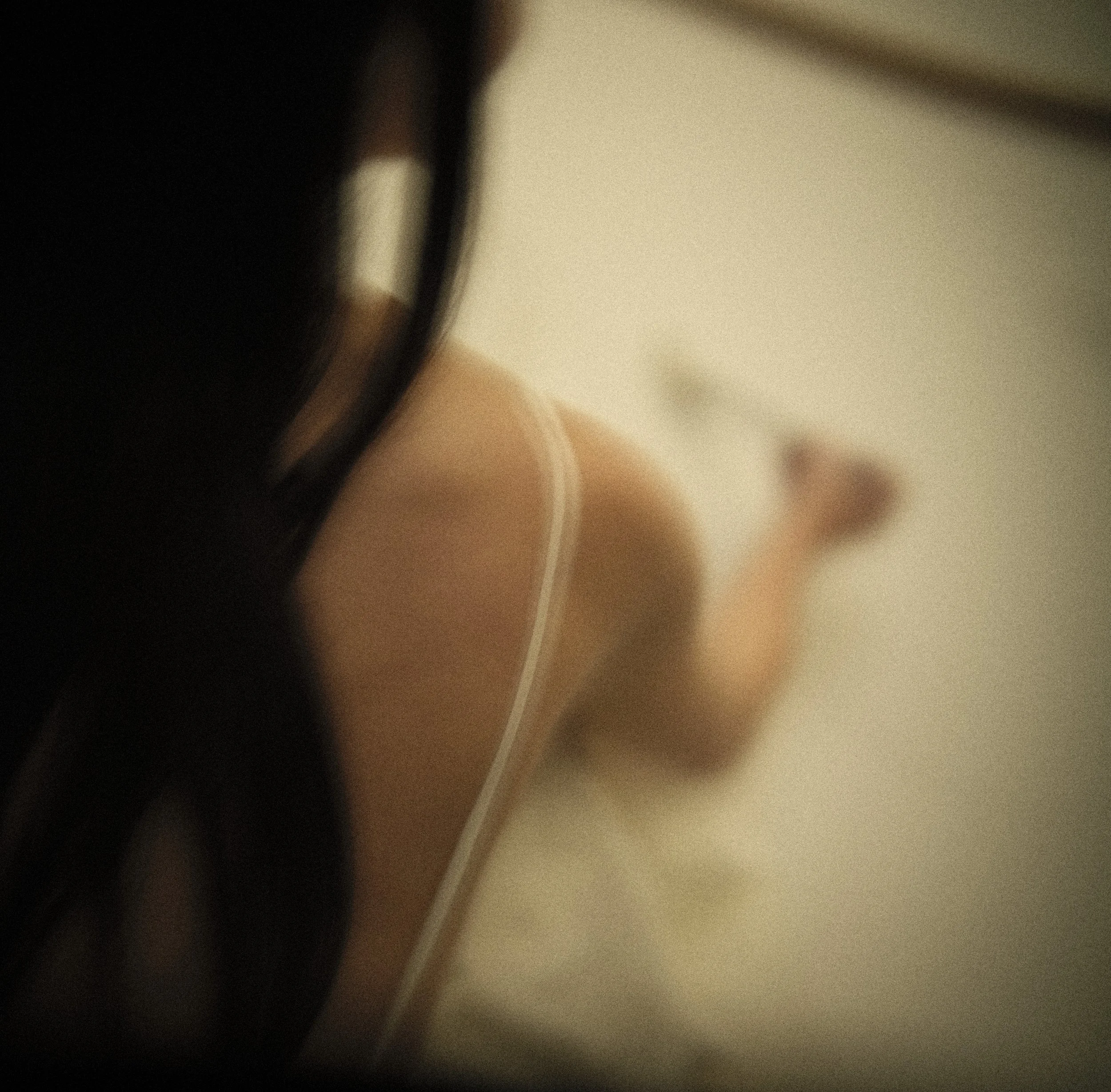
You have mentioned in a previous interview that the Mediterranean is a recurring source of inspiration. Your connection to nature is visible in all of your work. When did this relationship with nature begin for you? How do you work with nature when you are developing a new concept or working on a piece?
The Mediterranean has always been a constant presence in my life. In many ways, it is the landscape that accompanies me in the background of everything I do, a place I return to whenever I need to reconnect with something essential.
Sometimes I find the very fact of existence difficult to comprehend: that we are living on a small sphere suspended in an immense universe. In those moments, the sea offers me a sense of perspective and calm. There is something deeply reassuring about its horizon. It has been there long before us and will remain long after us. Its permanence becomes a kind of anchor.
What fascinates me is that the Mediterranean embodies both stillness and strength. It is constantly changing with the seasons, shifting in colour, texture, and mood, yet it remains unmistakably itself. That duality resonates deeply with me.
.
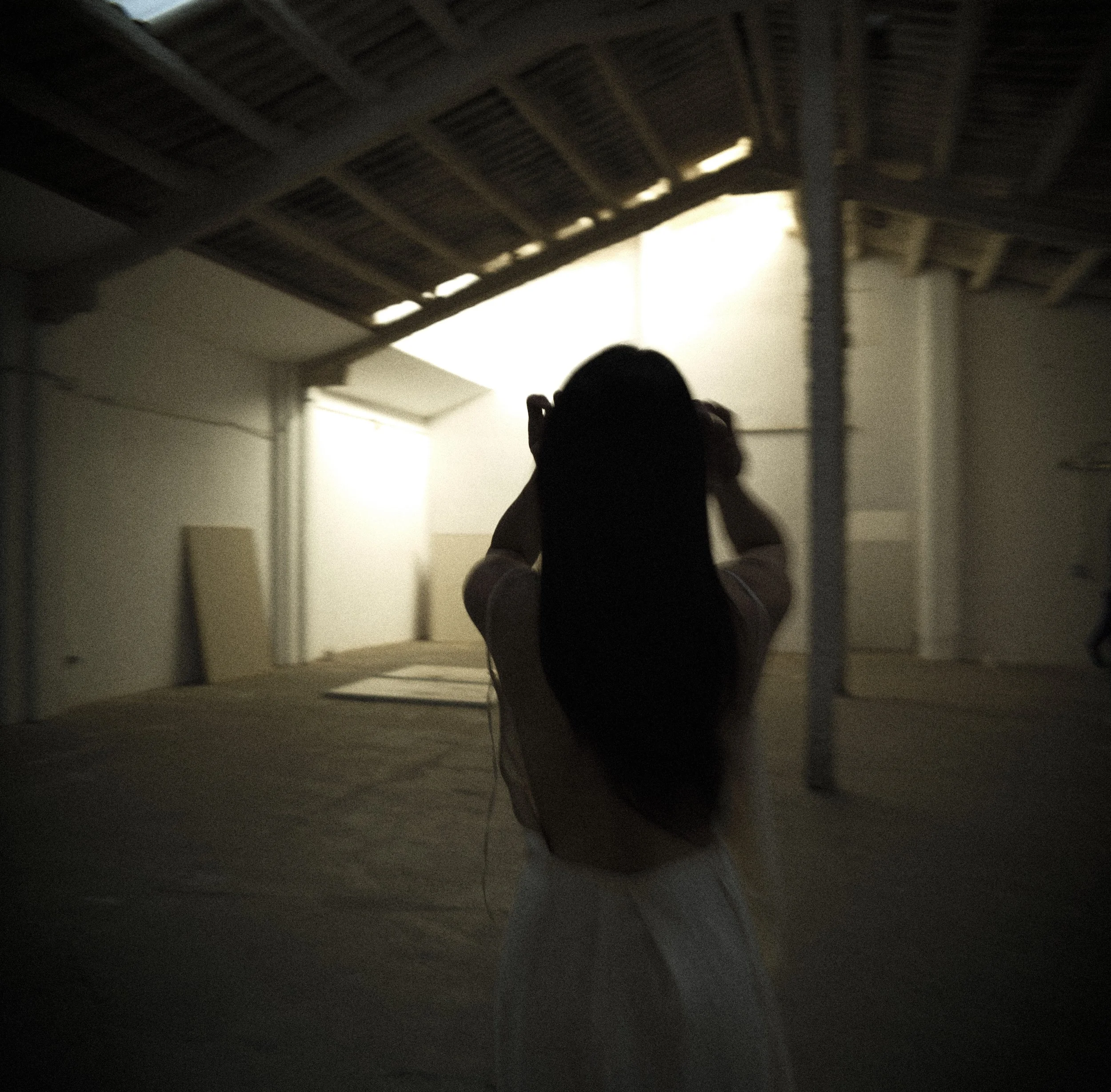
The Mediterranean
Many of my happiest memories are tied to the Mediterranean. I have spent my summers by its shores for as long as I can remember, and over time it has become a place of contemplation and beauty, but also of joy. It is a space that reconnects me with the present moment, with a sense of freedom, and with the simple yet profound happiness of being alive.
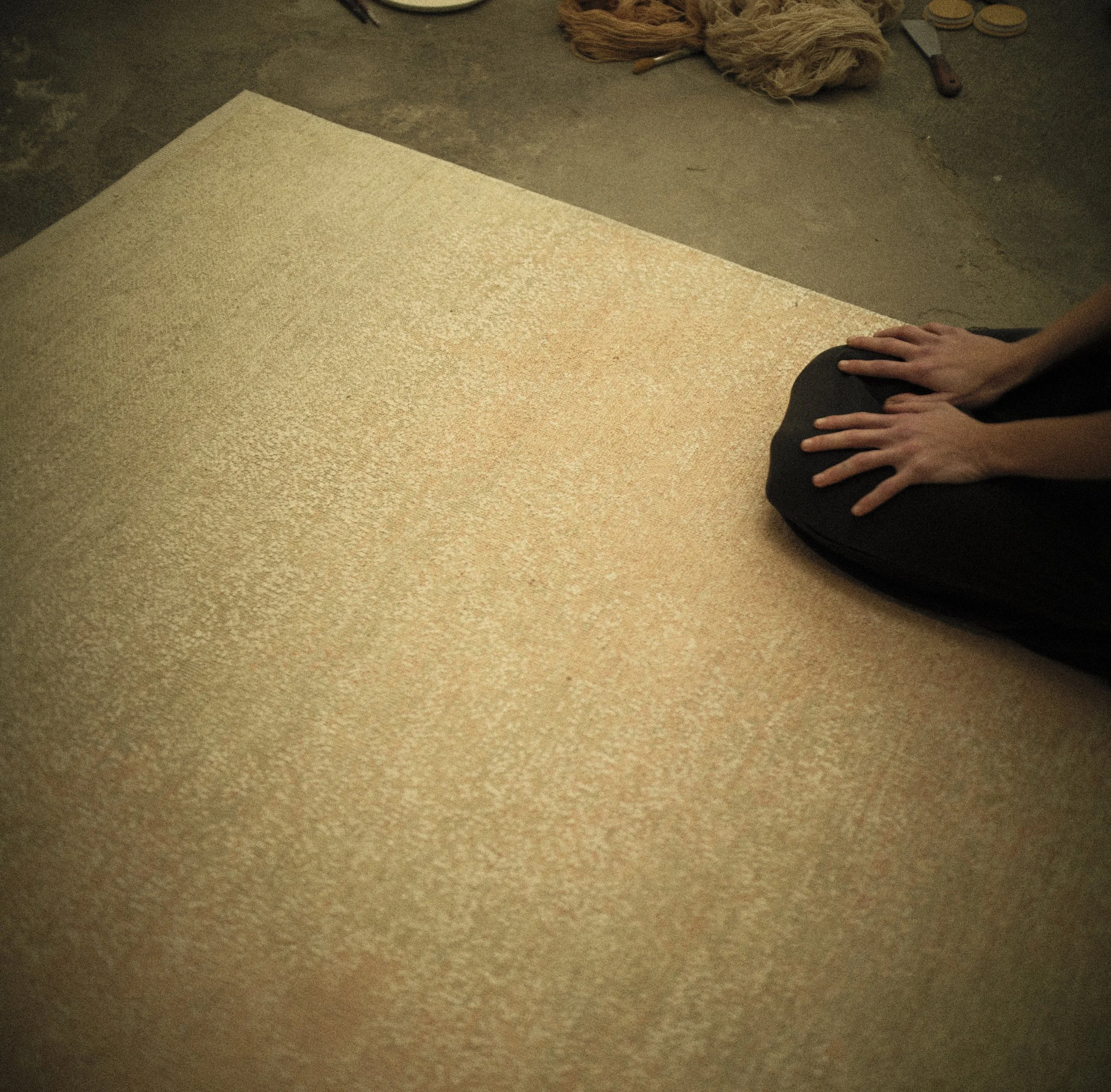
Your sculptures beautifully capture both the grace and resilience of womanhood while also revealing traces of vulnerability and violence—not broken, but permanently marked. How have your experiences as a woman and as a female artist shaped your understanding of femininity, womanhood, and women’s relationship with nature?
As I have grown older, I have become increasingly aware of the ways women have been silenced, limited, and subjected to different forms of violence throughout history. It is something I did not fully understand when I was younger, but it has deeply influenced my perspective as both a woman and an artist. This awareness has strengthened my desire to celebrate femininity, not as something fragile, but as a source of resilience, intuition, creativity, and transformation.
I have also come to appreciate the importance of solidarity among women. The sense of sisterhood, support, and mutual protection that can exist between women is incredibly powerful and necessary. I have always felt that women share a profound connection with nature. Both have historically been seen as forces to be controlled, yet both possess an extraordinary capacity for regeneration, adaptation, and creation. That relationship continues to inspire my work today.
In my work, traces, marks, and transformations often become metaphors for human experience. They reflect my understanding of womanhood: not as something untouched or idealised, but as something shaped by life and made stronger through it.
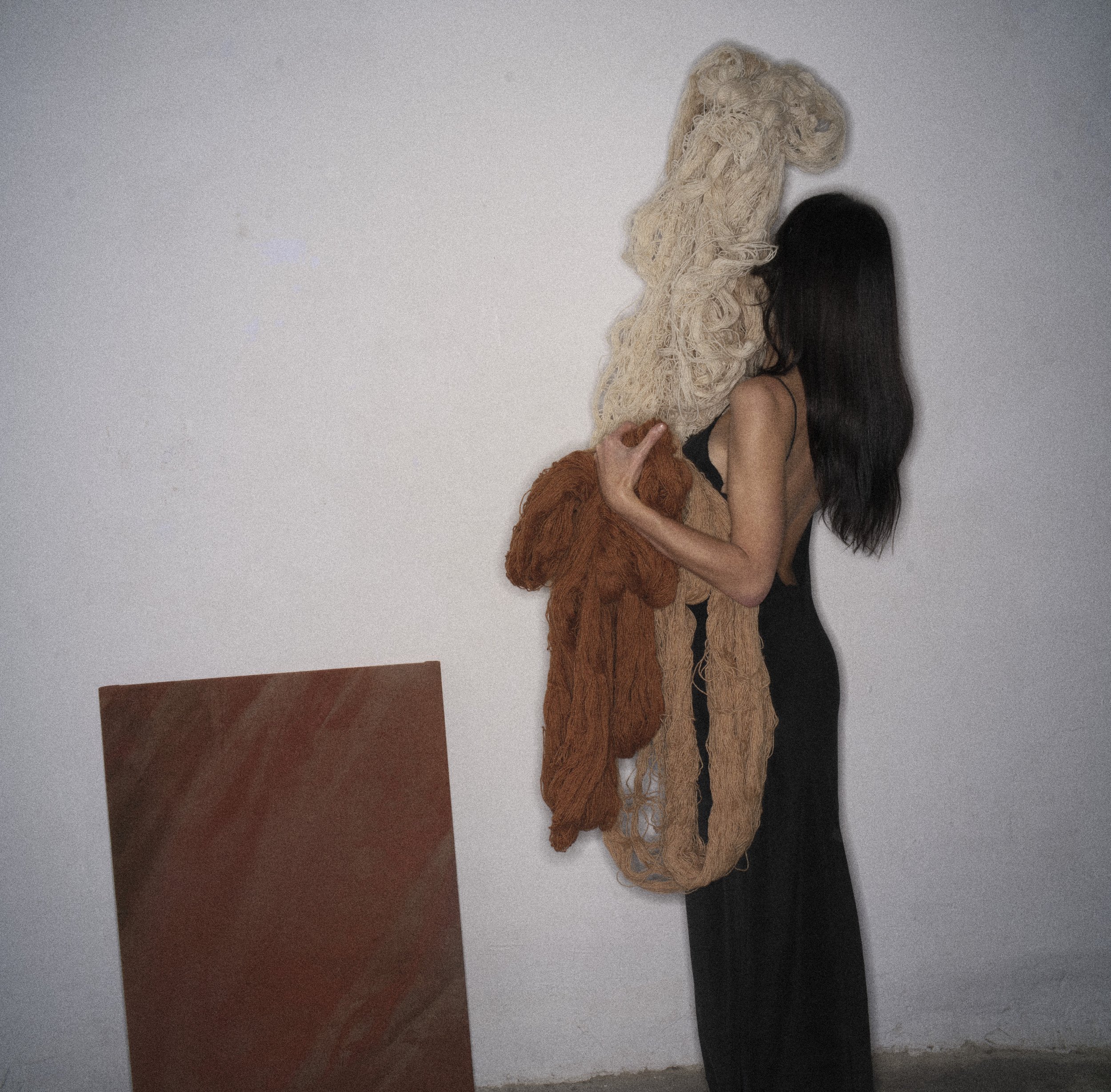
Your paintings and sculptures often incorporate organic materials that feel deeply connected to the natural world. What is your process like when working with these materials, and what draws you to them over more traditional mediums?
My process is rooted in exploration. Because I do not come from a traditional academic art background, I have always approached materials through curiosity, intuition, and experimentation rather than through established techniques. When a material fascinates me, whether it is glass, wood, oxidised metal, fabric, or a natural resin, I begin a dialogue with it. I test its possibilities, observe its behaviour, and allow it to guide part of the process.
It often involves a great deal of trial and error. Through experimentation, I gradually discover something that feels authentic and personal. Rather than imposing an idea onto a material, I prefer to collaborate with it and uncover its unique potential.
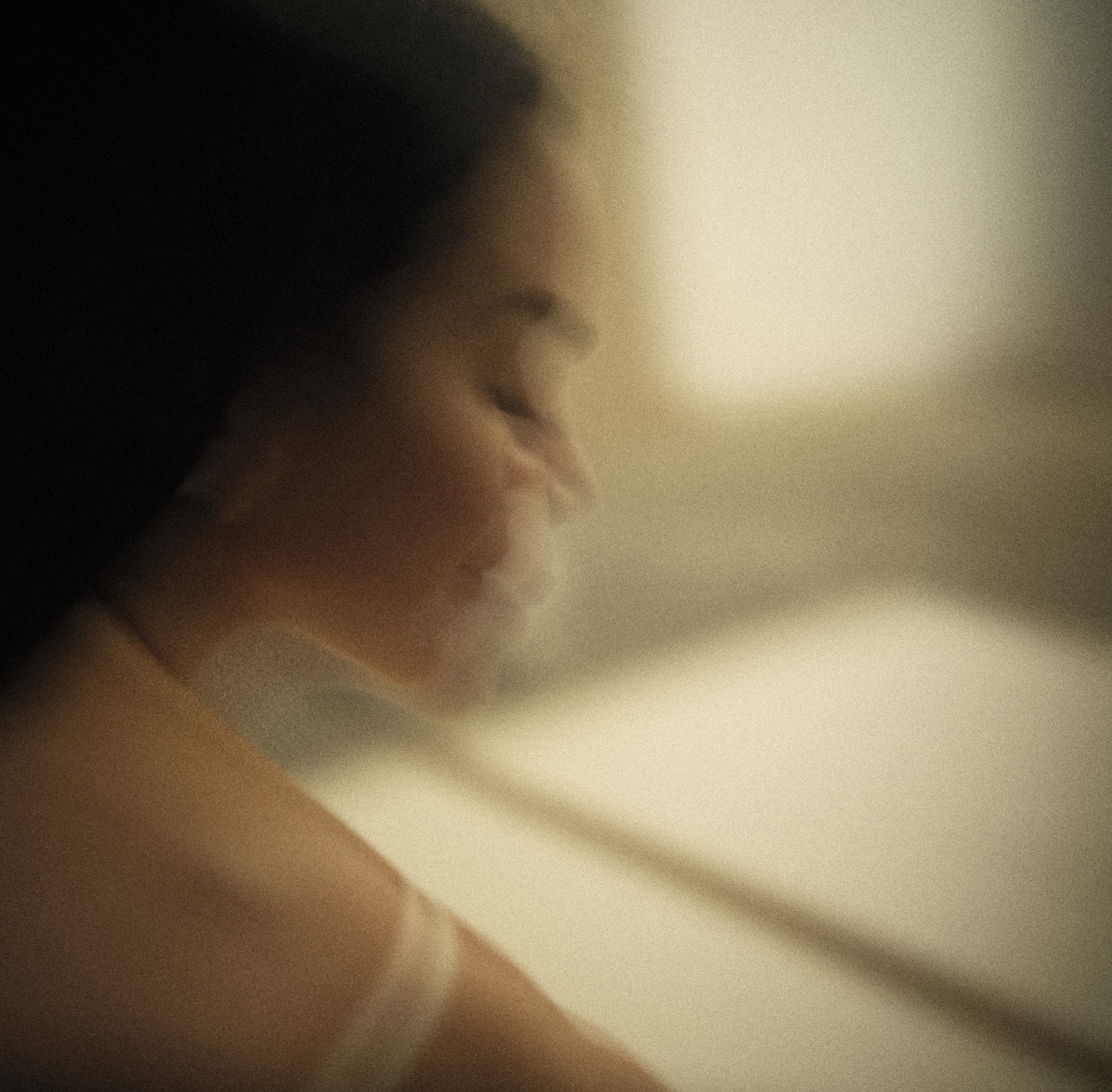
Your sculptures seem to exist between structure and fluidity, balancing minimalism with a strong sense of movement. How do you navigate that balance during the creative process, and how do you determine when a piece feels complete?
Movement is very important to me. Even when a sculpture appears still, I want it to contain a sense of fluidity and transformation. I am fascinated by the idea that a piece can change depending on how we encounter it, through light, shadow, distance, or perspective.
One of the things I love most about sculpture is that it unfolds gradually. As you move around it, new forms, tensions, and relationships emerge. In that sense, the work is never entirely fixed. It reveals itself differently to each person and in each moment.
Knowing when a piece is finished is much more intuitive than rational. It is not a decision I make through analysis, but through a feeling. I rarely think of a piece as completely closed. Sometimes I leave a work aside for a period of time and return to it later with fresh eyes. In a way, artworks remain alive. There is always the possibility of seeing something new.
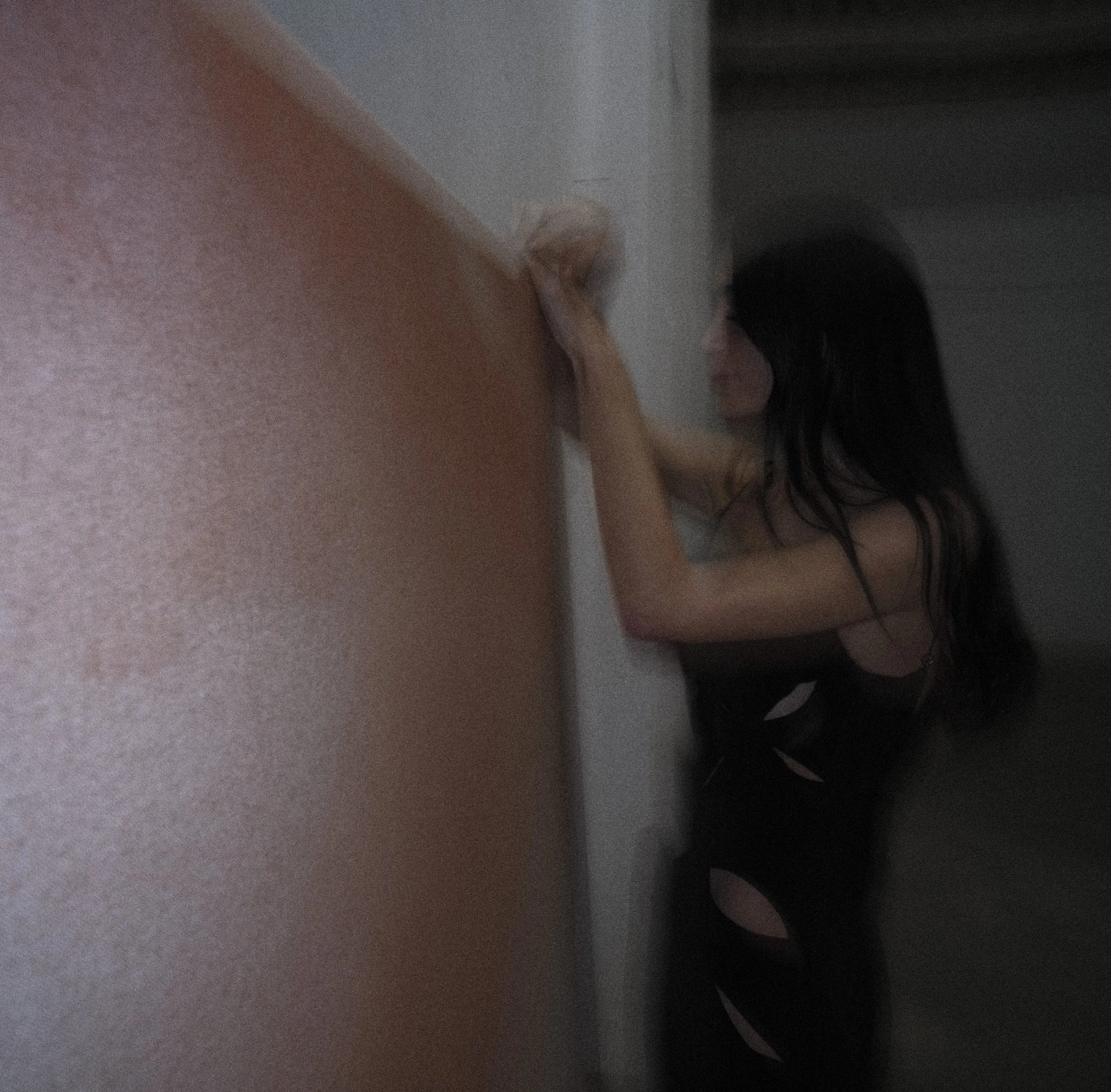
Through your artistic research and residencies, you’ve spent time in cities such as San Francisco, Tokyo, Mexico City, and Cuba. What initially drew you to these places, and in what ways have those environments influenced your artistic perspective and practice? Are there other places you hope to explore in the future?
For me, artist residencies are a way of experiencing a place from within rather than as a visitor. What I value most, however, is the opportunity to connect with other artists. Artistic practice can be quite solitary, and residencies create a rare space where you can observe how others think, work, and approach their creative process.
Each residency has influenced me differently, but the most valuable aspect has always been the exchange of ideas, perspectives, and experiences with other artists. Those encounters continue to shape my understanding of art and creativity.
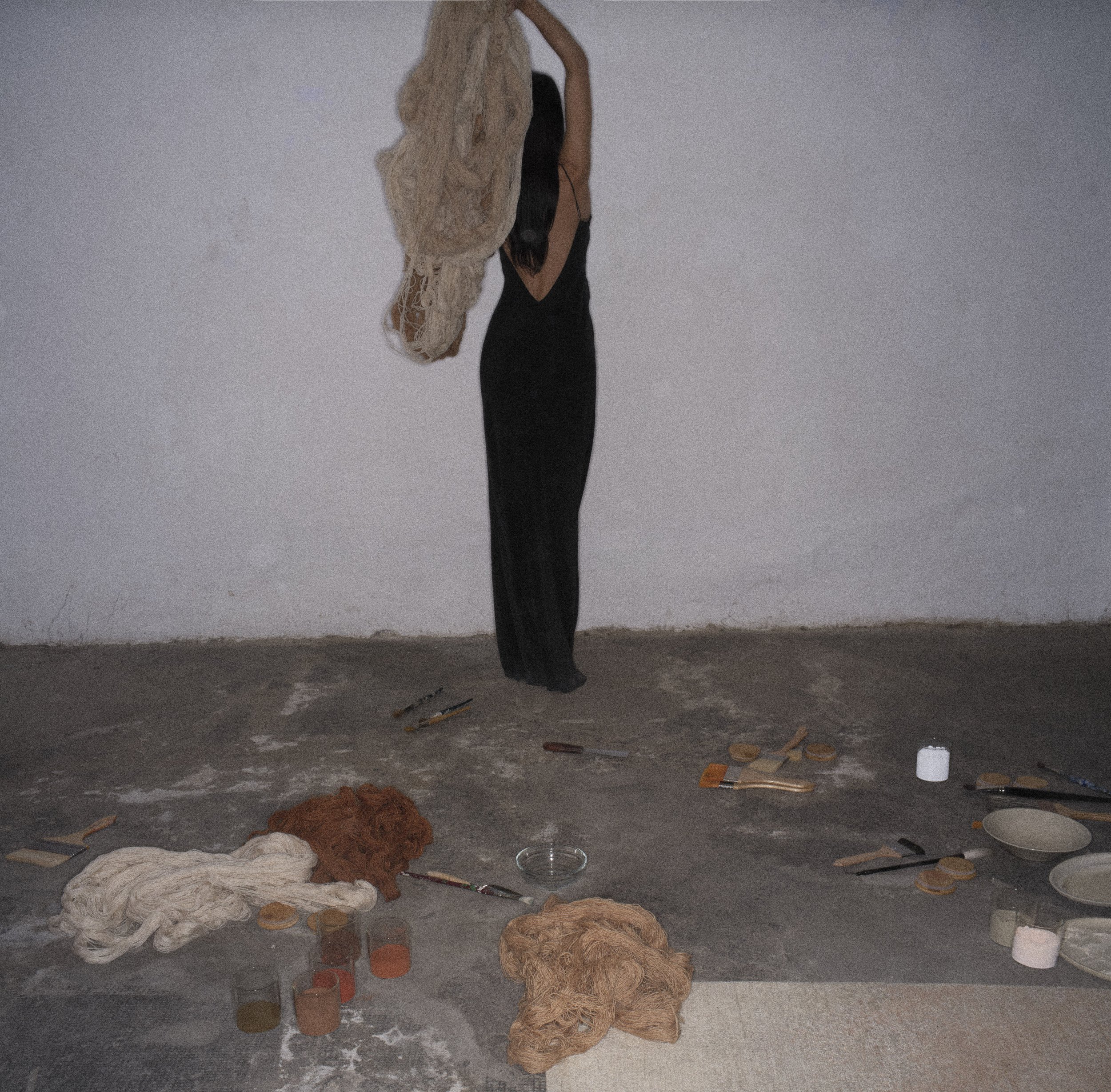
Many of your works explore themes of the body, femininity, and humanity’s relationship with nature. Looking ahead, do you see yourself continuing to deepen those themes, or are there entirely new ideas and directions you hope to explore in future collections?
To be honest, I do not usually begin with a concept. My process works in the opposite direction. I start with materials, forms, textures, and an intuitive attraction to something that resonates with me. I am interested in touch, physicality, and the emotional response that a material can evoke. The work begins through making, experimenting, and observing rather than through a predefined idea. What fascinates me is that, once a body of work is complete, recurring themes often emerge naturally. The pieces begin to reveal connections that were never consciously planned. For that reason, I do not think about future collections in terms of concepts I want to explore. The material and the act of making always come first.
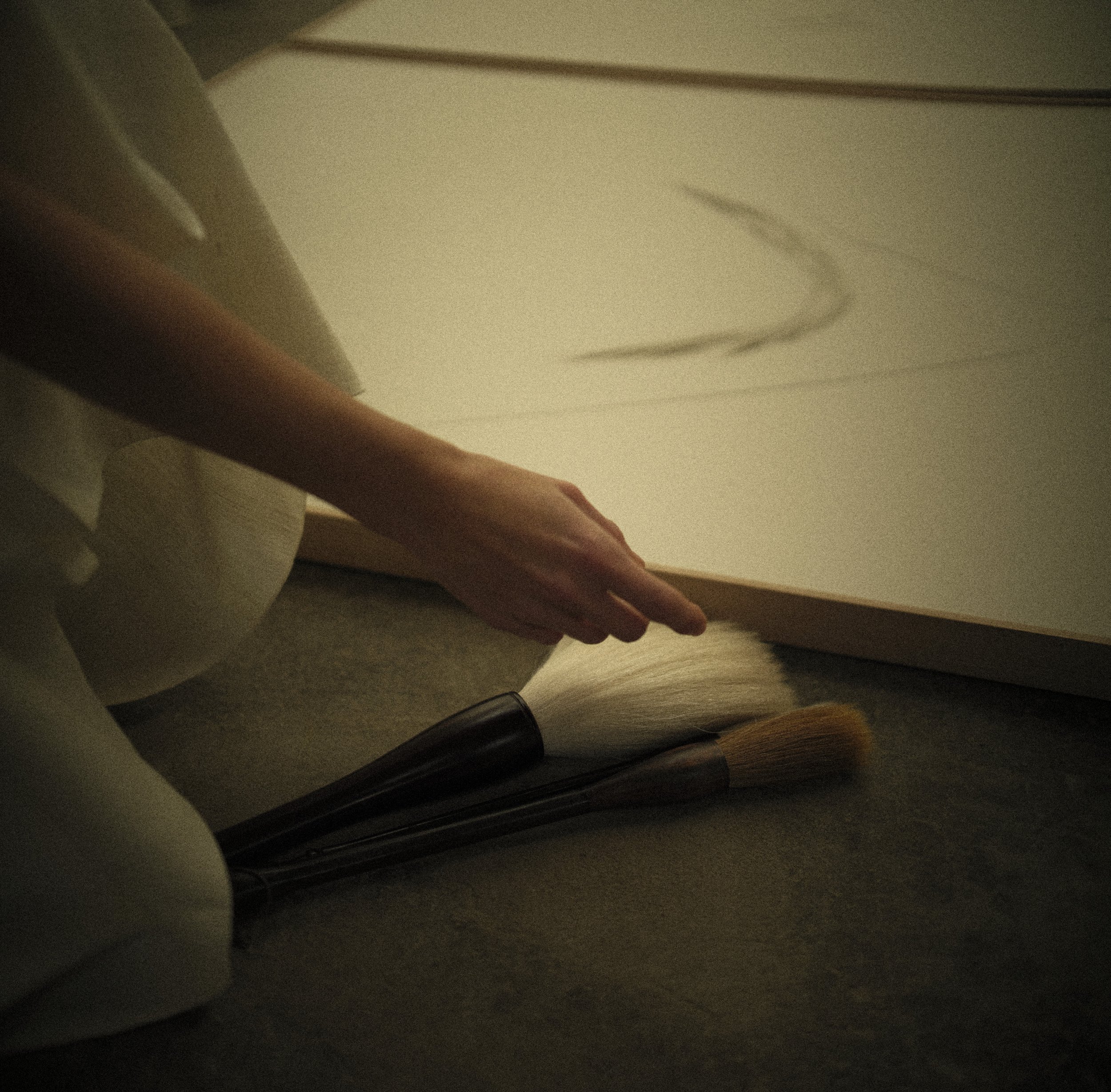
Based on your personal experiences and professional journey, what advice would you give to young people or emerging professionals who aspire to follow a similar career path?
If I could give one piece of advice, it would be to value consistency above almost everything else.
I did not study Fine Arts, nor did I follow a traditional academic path. Yet since I was around twenty-five, I have dedicated some part of every day to my artistic practice. Sometimes it was hours in the studio; other times it was a sketch, a photograph, or simply writing down an idea. What matters is not the size of the action, but the continuity of the commitment.
Looking back, I realize that creative careers are built through small daily gestures. More than talent or achievement, I believe enthusiasm and consistency are what make the greatest difference.
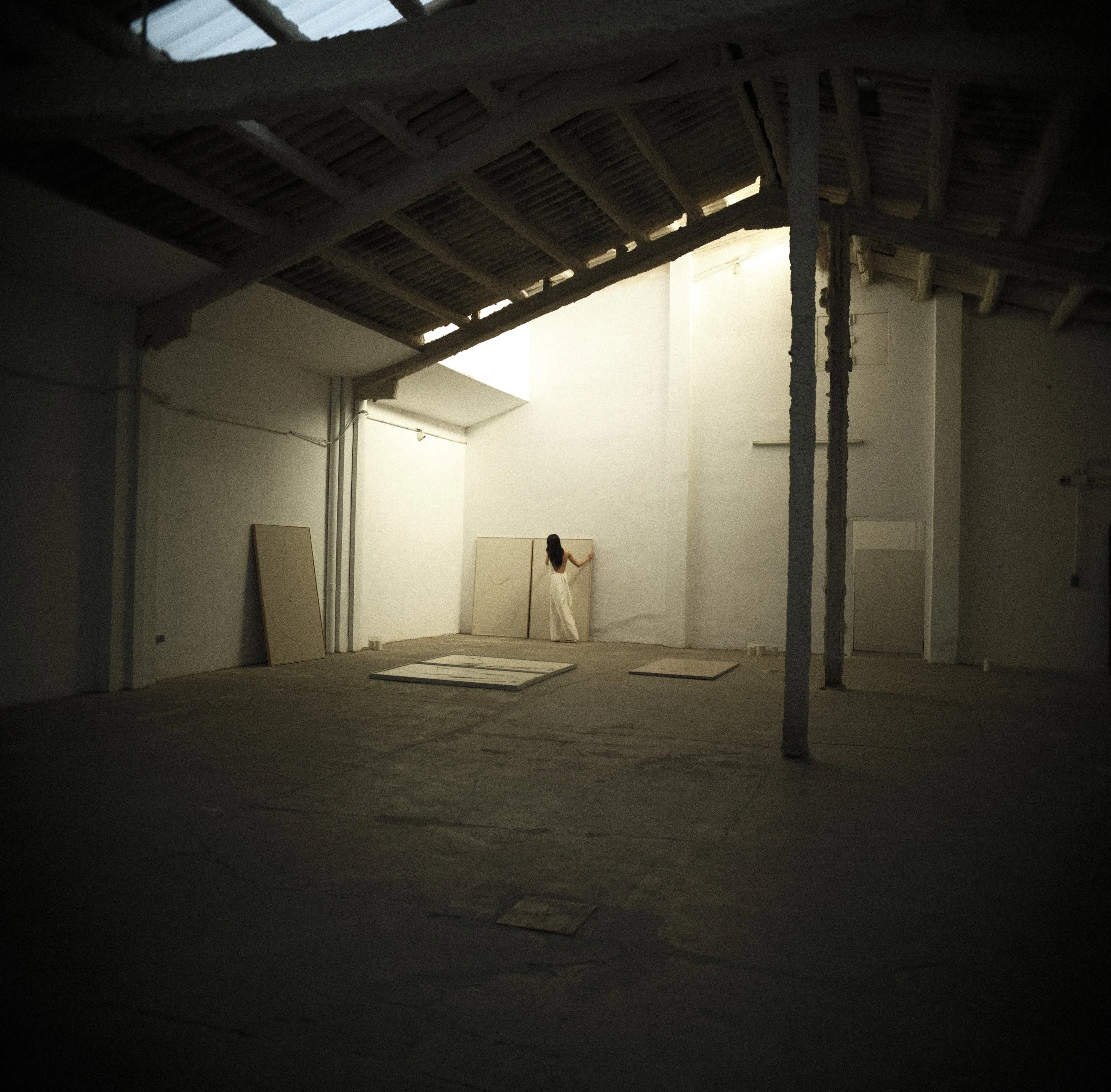
Your work often explores texture, balance, and organic movement. What draws you to clothing brands like
KM by Lange Design?
What draws me to KM by Lange Design is the sculptural quality of the garments. Kati creates pieces that possess a remarkable sense of movement and fluidity. Rather than concealing the body, her designs seem to honor it, following its natural forms and enhancing its elegance with great sensitivity.
I am also deeply drawn to her choice of materials. She works with natural fabrics such as silk and cotton, materials that feel honest, timeless, and respectful both to the skin and to the environment.
What I particularly admire is the balance she achieves between strength and femininity. Her garments have a quiet presence; they are sophisticated without being imposing. In many ways, I feel there is a shared sensibility between her work and my own: an appreciation for organic forms, movement, materiality, and a belief that beauty can emerge through simplicity, authenticity, and a deep respect for nature.
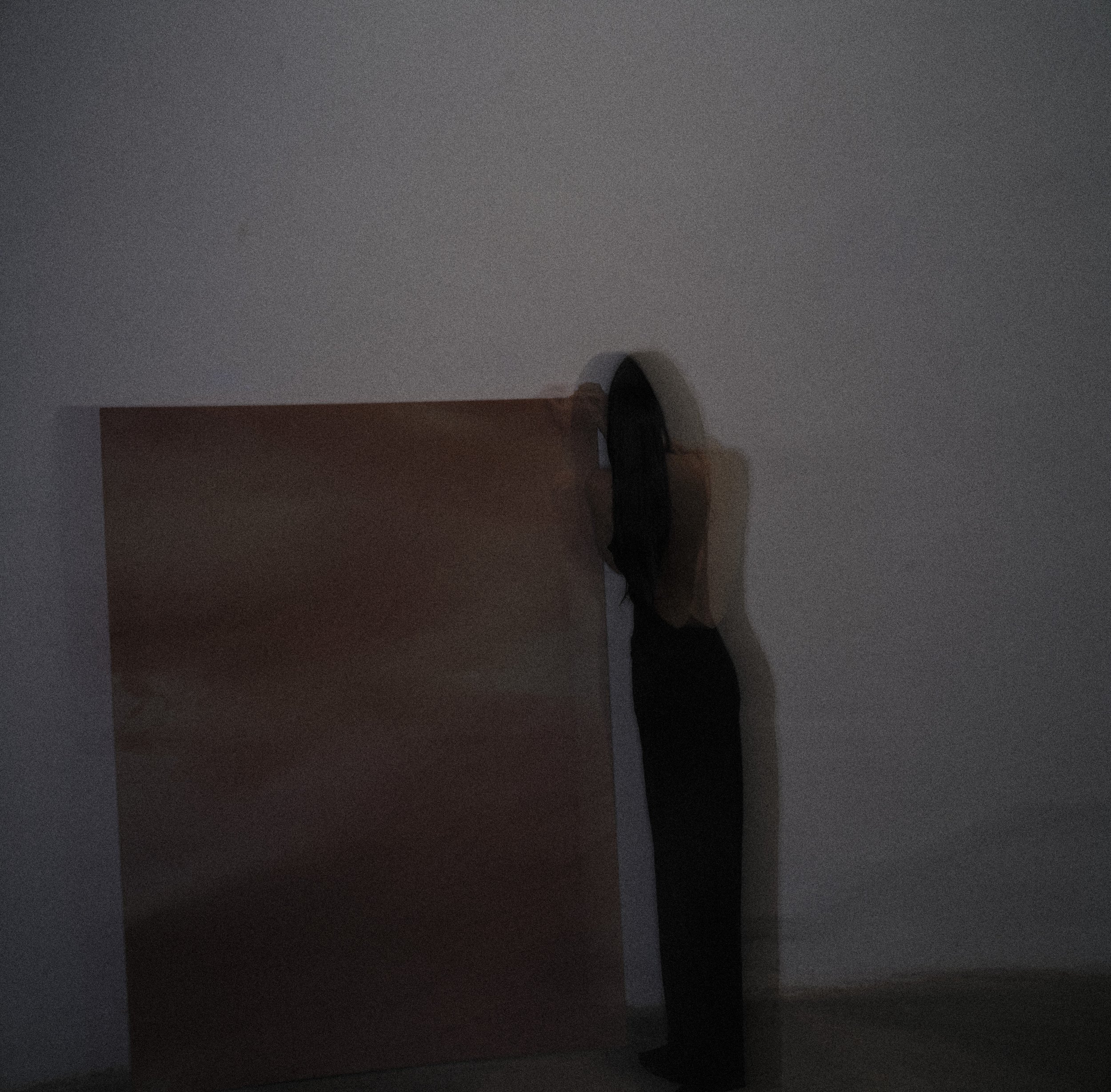
If you could share a few words about KM by Lange Design
For me, the soul of KM by Lange Design is Kati herself. What I admire most is her endlessly curious spirit, her desire to connect with people, disciplines, and ways of seeing the world. She approaches life with a genuine sense of wonder, and I believe that sense of fascination is at the heart of everything she creates.
Kati has a rare ability to recognize beauty in subtle places, in people, in materials, in gestures, and in everyday moments that others might overlook. She sees beauty with generosity, and that perspective is reflected in every piece she designs.
What makes KM so special is that it feels deeply personal. Kati’s essence is present in each garment. There is a sensitivity, an elegance, and a humanity that go beyond fashion itself. In a very subtle way, her work reminds you of your own beauty and strength.
Muse: CARLA CASCALES ALIMBAU
Photographty: Greig Fraser
Art Direction: Jodie Fried
Cloth: KM by LANGE
Interviewed by Alicia Dean